Considering urology in a planetary context
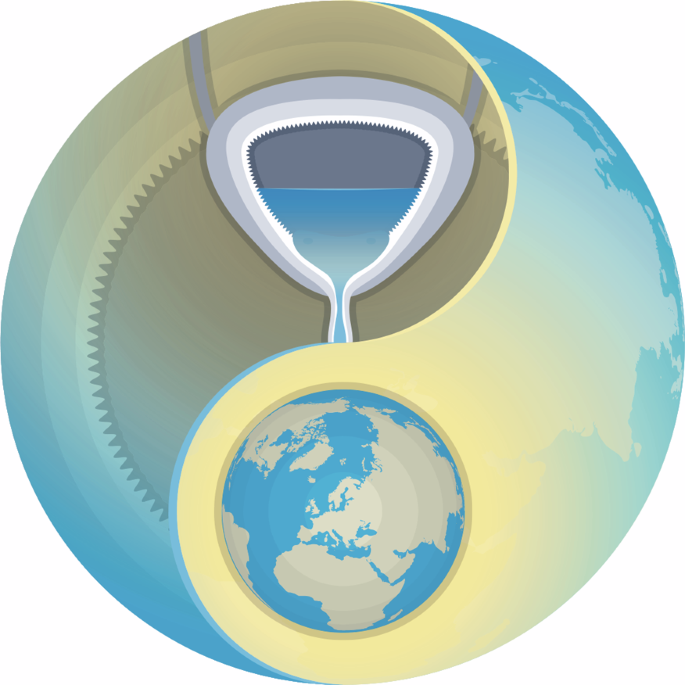
Recognizing that human healthcare influences the health of our planet and that our environment affects human health is increasingly important. Thus, in recognition of Earth Day and to support research in this area, Nature Reviews Urology presents articles putting the field of urology into a planetary context.
Human and planetary health are inexorably interconnected — human healthcare affects the environment, and the environment affects human health. Approximately 5% of all greenhouse gas emissions, particulate matter, sulfur dioxide emissions and water scarcity are the result of healthcare-related activities1. All of these factors are influenced by human activity and can contribute to planetary climate change. Furthermore, climate-related disasters can have direct effects on healthcare provision2. Specifically regarding urological diseases, patient management often includes intensive, longitudinal assessments that have a large carbon footprint. Moreover, environmental factors linked to climate change could adversely affect urological issues such as prostate, bladder and kidney cancers, urolithiasis, sexually transmitted and urinary tract infections, kidney injury and fertility (as discussed in a Review in this issue). However, plant-based diets, which have many advantageous effects for general health and the environment, can potentially be beneficial for urological health as well, as discussed in a Review in this issue.
“environmental factors linked to climate change could adversely affect urological issues”
Several of the United Nations’ Sustainable Development Goals are related to sustainability, health and climate, such as number 3, Good Health and Well-being; number 11, Sustainable Cities and Communities; number 12, Responsible Consumption and Production; and number 13, Climate Action. Recognition of the interrelated effects of these factors is growing, and efforts are being made to understand these connections. For example, the One Health Initiative was launched in 2021, which recognizes that human health, animal health, plants, ecosystems and the environment are closely linked and interdependent. In this initiative, the Quadripartite Organizations — the Food and Agriculture Organization of the United Nations, the United Nations Environment Programme, the World Organisation for Animal Health and the WHO — cooperate to foster collaboration between sectors towards a shared goal of improved health overall. In England, the National Health Service has implemented the Getting It Right First Time (GIRFT) programme, which is a quality improvement initiative aiming to standardize clinical practices and improve patient-level and system-level outcomes, including increasing sustainability. The GIRFT initiative has a programme specific to urology3.

Credit: Pat Morgan/Springer Nature Limited
Every year on 22 April since 1970, Earth Day has been celebrated to galvanize action towards improving human and planetary health. In recognition of Earth Day 2025, the United Nations’ Sustainable Development Goals and the role of the field of urology in this context, Nature Reviews Urology has collated articles in this issue discussing the environmental effects of urological care pathways in a Perspective, the influence of the environment and climate change on urological diseases in a Review, how eating plant-based diets can influence outcomes of urological cancers in a Review, and the creation of sustainable urological provision in locations with reduced resources in a Comment. By publishing articles in this area, we want to provide a platform promoting increased discussion of and collaboration on this important and sometimes underestimated issue.
link